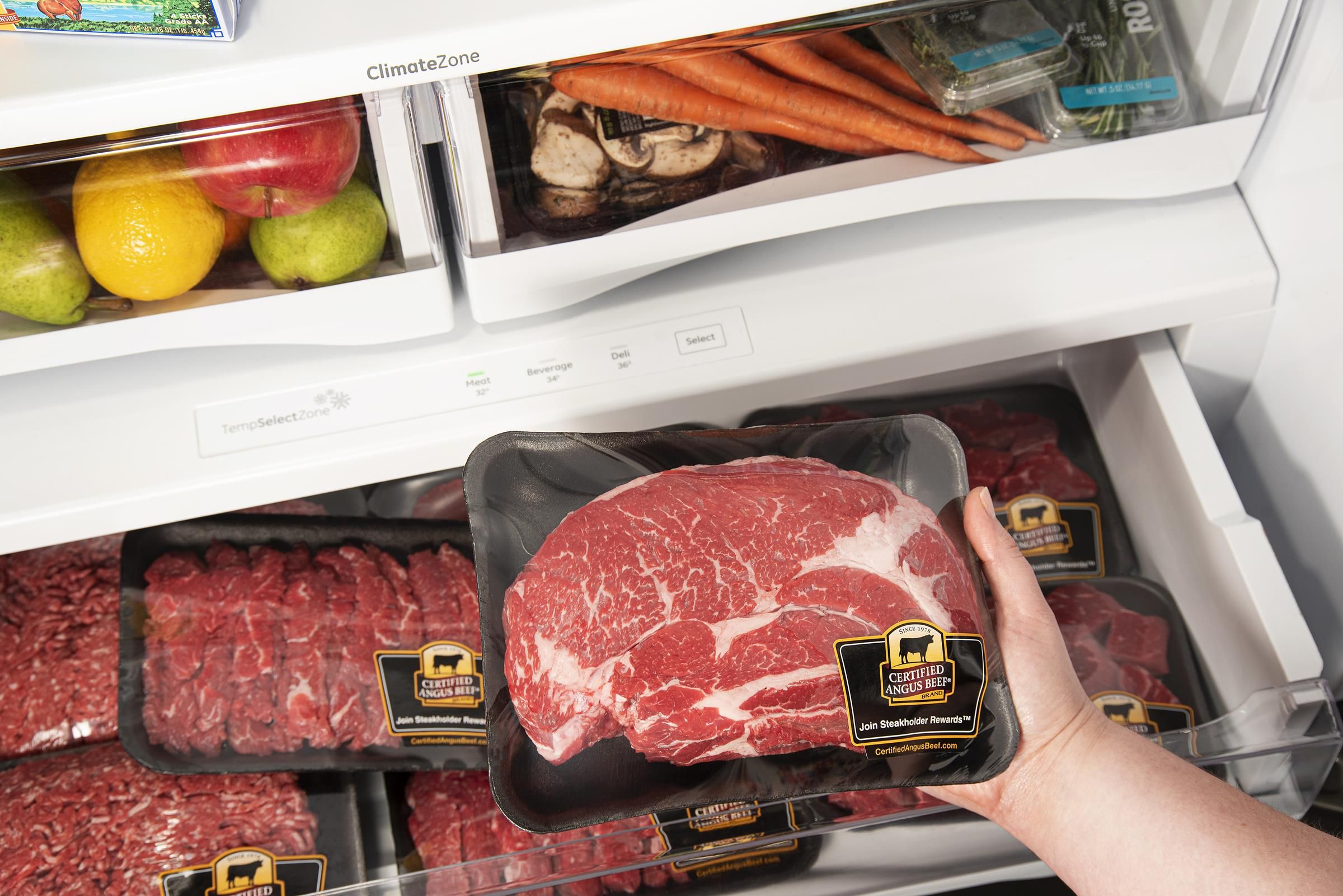
Grilling season is here, and it’s time to fire up the grill for all your favorite meat selections! However, choosing a cut of steak – and figuring out which ones are great for grilling – can get confusing.
To make your life easier, we’ve compiled attributes and suggested cooking methods for popular cuts of steak. So, the next time you’re deciding what to bring home for dinner, you can find the exact cut of meat that works for you.
Beef at its Best

Your steak journey starts with the brand you choose, and Certified Angus Beef® brand is the best Angus beef available and a cut above USDA Prime, Choice and Select. Ten standards ensure its incredible flavor, tenderness and juiciness in every bite, and only 1 in 4 Angus cattle meets the brand’s high standards. Try some tonight and taste the difference!
Flat Iron
Resembling an old-fashioned flat iron, this steak is well-marbled, tender and juicy. Flat iron steak is widely considered second only to a tenderloin in terms of tenderness, while additional marbling gives it a heartier, beefy flavor at about half the cost.
- Recommended Cooking: Grill or pan-sear. Flat iron steak is great marinated, but its intense beefy flavors can stand on their own and deliver. Flavor lightly with salt and pepper and serve with sauce on the side.
Sirloin
Sirloin is a highly flavorful, lean and juicy cut of moderately tender steak with no bones and minimal fat. Sirloin steak’s affordable price offers convenience and great value, making it an ideal choice for feeding a large family.
- Recommended Cooking: Grill, pan-sear or broil. Sirloin steak is highly versatile and can be cooked in several different ways. Outdoor grilling is a favorite of the summer months, while pan-frying offers convenience during the winter months.
Sirloin Tip Strip Steak
This cut, also known as the knuckle or sandwich steak, is the most tender round cut. Sirloin tip is the name given to this cut, yet here in New England, the term “tips” is typically expected to describe this steak cut into small pieces.
- Recommended Cooking:Grill. Sirloin tips are a lean, quick-cooking cut of meat that’s best when marinated before grilling.
Filets
Also referred to as tenderloin, the filet is an extremely tender cut of beef and has an almost buttery texture. Filets are also low in fat content, so they’re a good choice if you’re looking for a low-fat option that’s exceptionally tender.
- Recommended Cooking: Grill or pan-sear. Filets tend to cook much faster than other cuts – because of their lower fat content – and are more prone to drying out. When grilling filets, use a meat thermometer (145°F for medium-rare and 160°F for medium). Pan-frying in oil, basting with butter, or wrapping in bacon also helps retain moisture.
Rib-Eye
Rib-eye is a flavorful, tender steak that comes from the rib area. It’s distinguished by rich marbling and exceptional flavor and is arguably the richest, beefiest cut available. The central eye tends to be smooth textured with a finer grain than a strip steak, while the rib-eye section – the outer edge around the central eye – will have looser grain, more fat and more flavor.
- Recommended Cooking:The fat marbling makes it great for slow cooking, roasting, pan-searing or grilling. When grilling, be sure to have a lid and tongs ready, as the large amounts of fat on this cut make it prone to flare-ups.
Strip Steak
This marbled steak comes from the short loin and is an exceptionally flavorful, tender steak. It doesn’t have quite as much marbling as a rib-eye, but with no large pockets of fat, the strip steak is both easier to cook and eat. Strip steak is a favorite of both restaurants and home cooks!
- Recommended Cooking: Pan-sear, grill or broil. With less fat than a rib-eye, the strip steak is an easier cut to grill, with fewer flare-ups and less burning.
Flank Steak
This steak is lean, muscular and incredibly flavorful. A cut that’s relatively long and flat, flank steak is served in slices and is great in fajitas or sandwiches. This lean, boneless steak is typically cut across the grain to increase its tenderness.
- Recommended Cooking: Grill or pan-fry. Flank steak can be simply grilled with salt, pepper and oil for a few minutes per side or pan-fried. Marinate flank steak to increase tenderness.
T-bone
T-bone offers two cuts in one steak! It’s a combination of tenderloin (filet) and strip steak separated by a T-shaped bone, with the small piece of tenderloin between ½ and 1½ inches wide. If the cut is made further down and the tenderloin section is more than 1½ inches wide, it becomes a porterhouse steak.
- Recommended Cooking: Grill or broil. The shape of the bone makes pan-searing difficult, as it can prevent the meat from making good contact with the pan surface. Another challenge of cooking T-bones is that the different parts of the meat cook at different speeds. The tenderloin will cook much faster than the strip section. For more consistent cooking, place the tenderloin section further away from the heat source.
Shoulder Steak for London Broil
While you might hear the term London Broil used to refer to a cut of beef, it’s actually a cooking technique. Shoulder steak is the cut of meat typically used to make London Broil. This tender cut takes very well to rubs and marinades.
- Recommended Cooking: Broil or grill. Marinate the meat overnight to ensure tenderness. Then, broil or grill the steak on high heat for 3 to 5 minutes per side. Cut it across the grain into thin strips. It can also be cooked rare and served cold or at room temperature.